ML algorithms for groundwater sustainability in a data scarce region
Published:
Description
Published work - Ecological Frontiers (2026). Link
Highlights
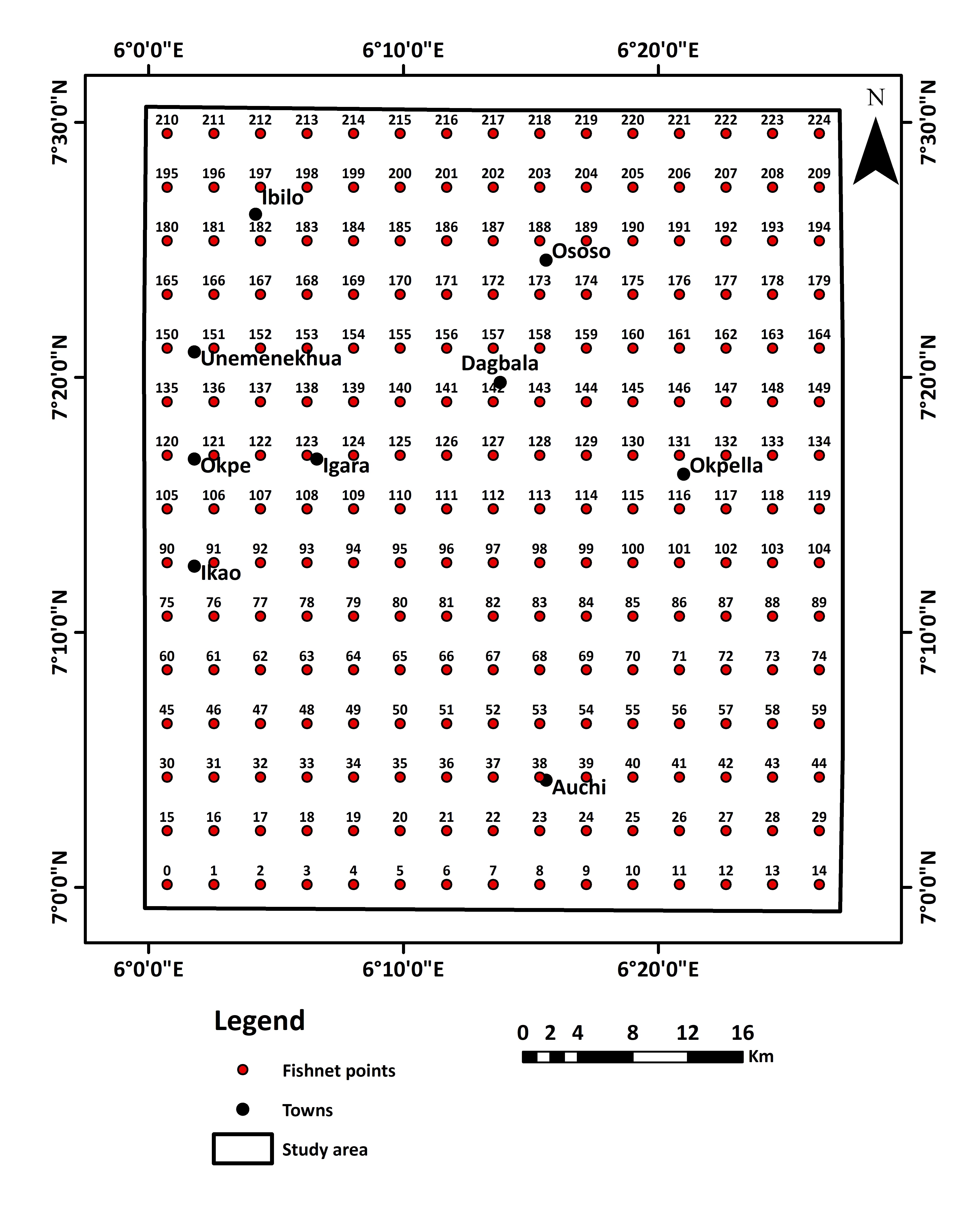
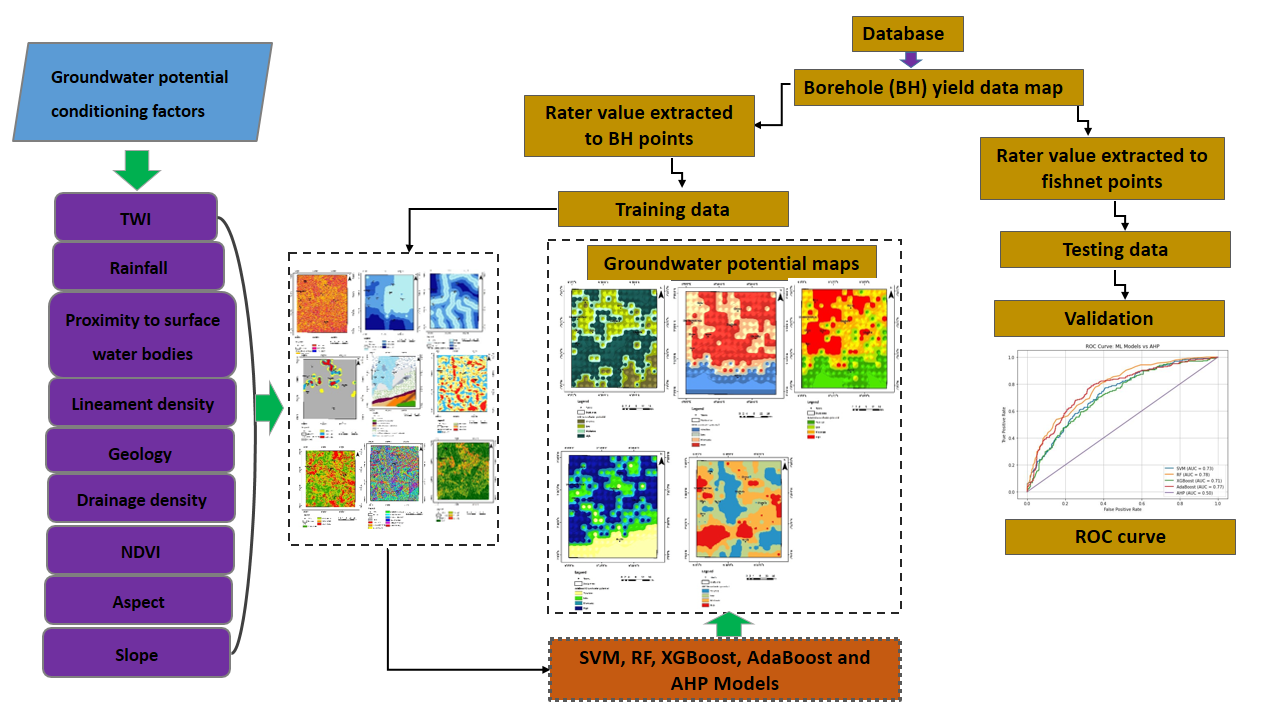
Fishnet approach have been used to derive data partitioning for the ML modelling.
Multicollinearity detection was employed to select the most suitable remote sensing parameters.
ML algorithms (SVM, RF, xGBoost, AdaBoost) have been utilized and compared with AHP model for their groundwater sustainability predictive abilities.
The result demonstrated the abilities of data driven approaches in partitioning groundwater locations for its sustainability even in data scarce region
Abstract
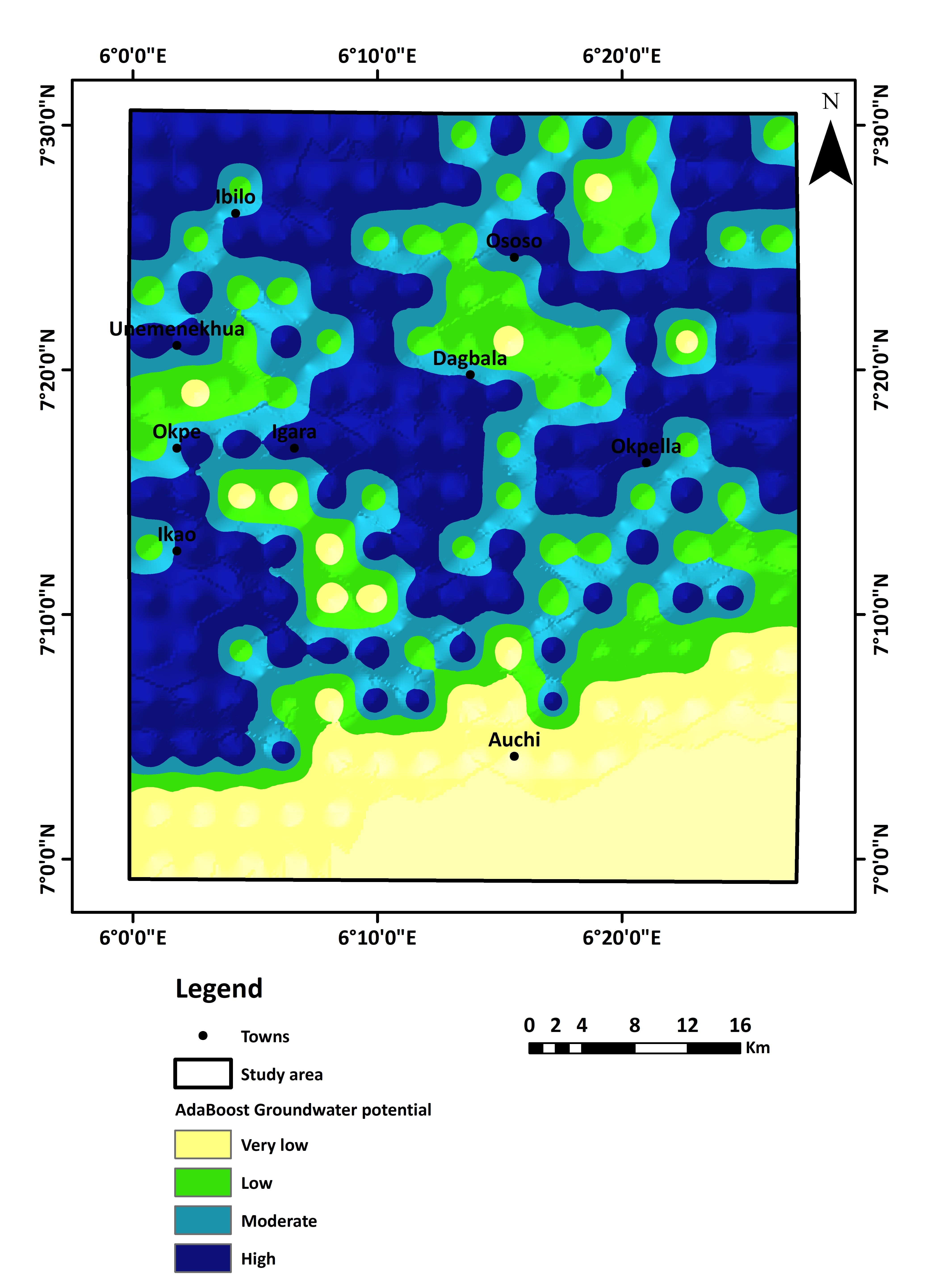
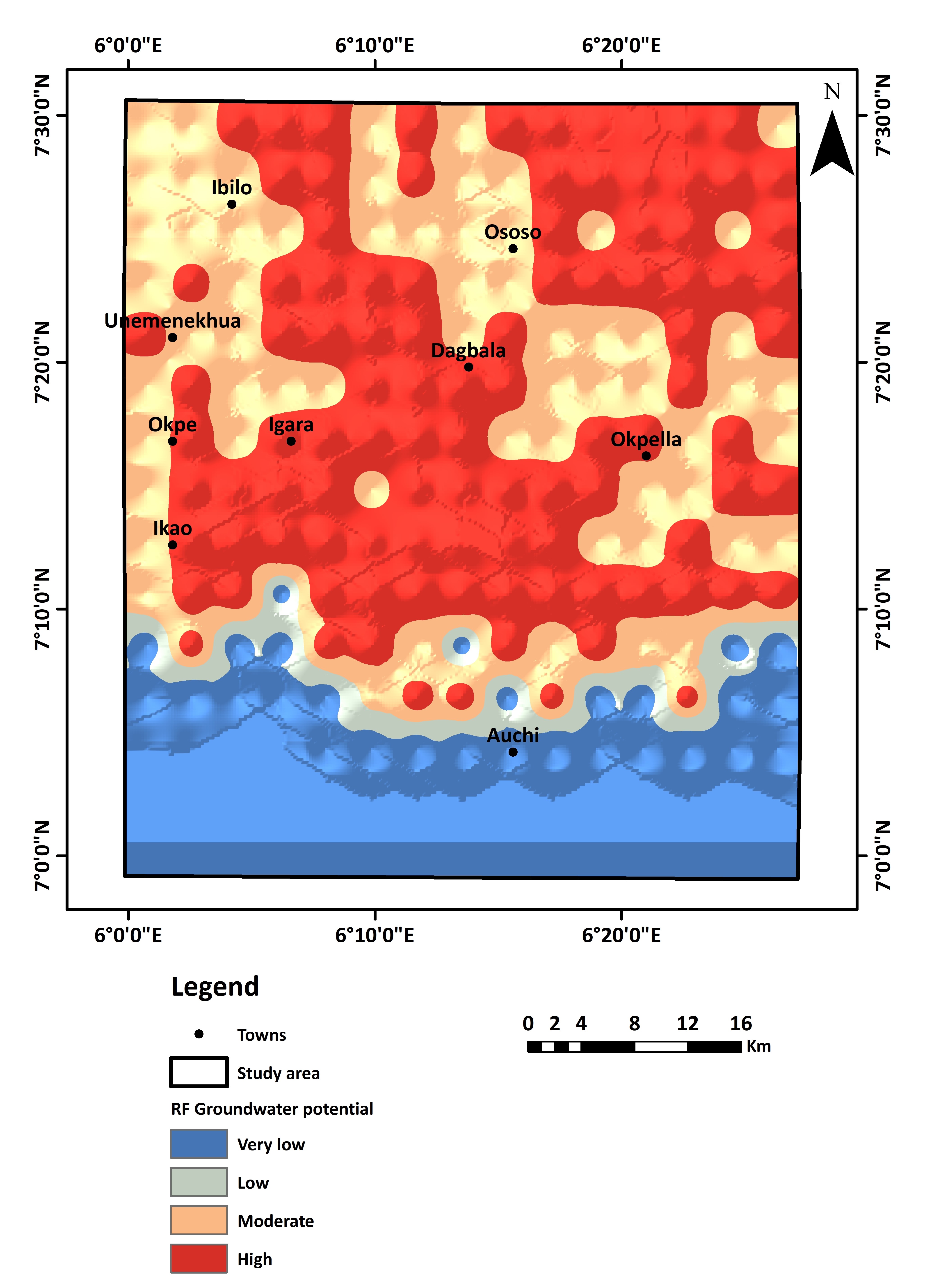
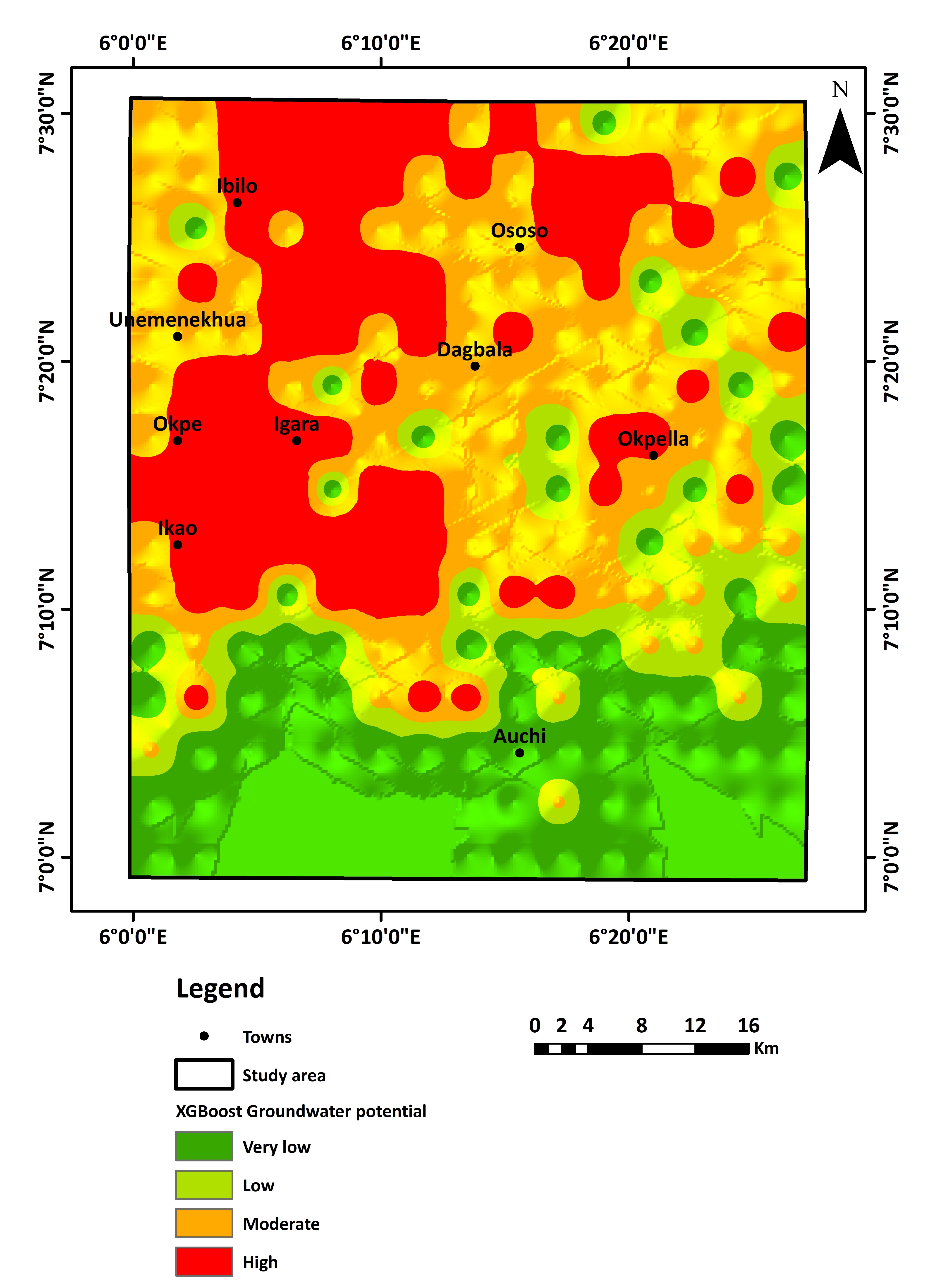
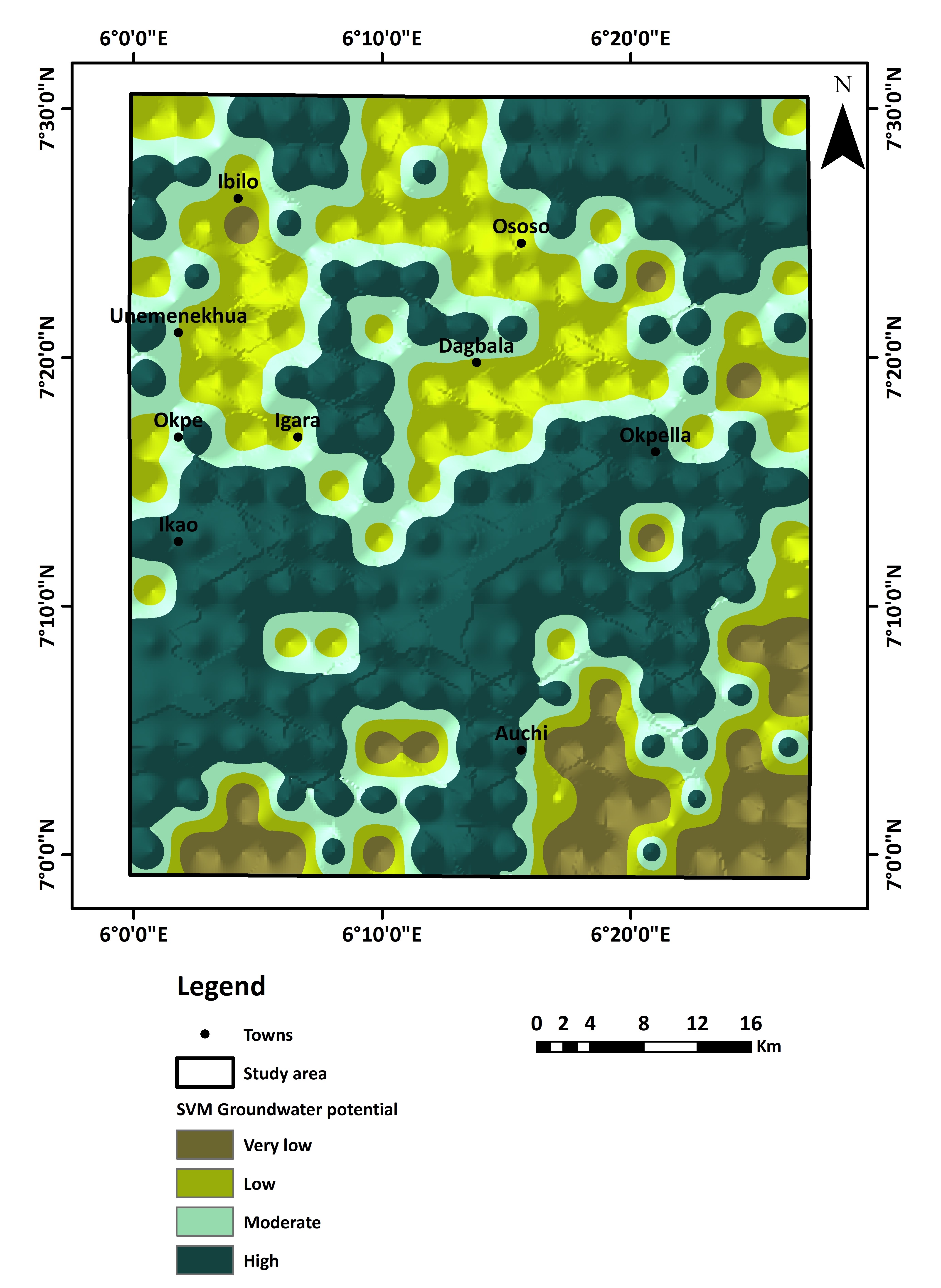
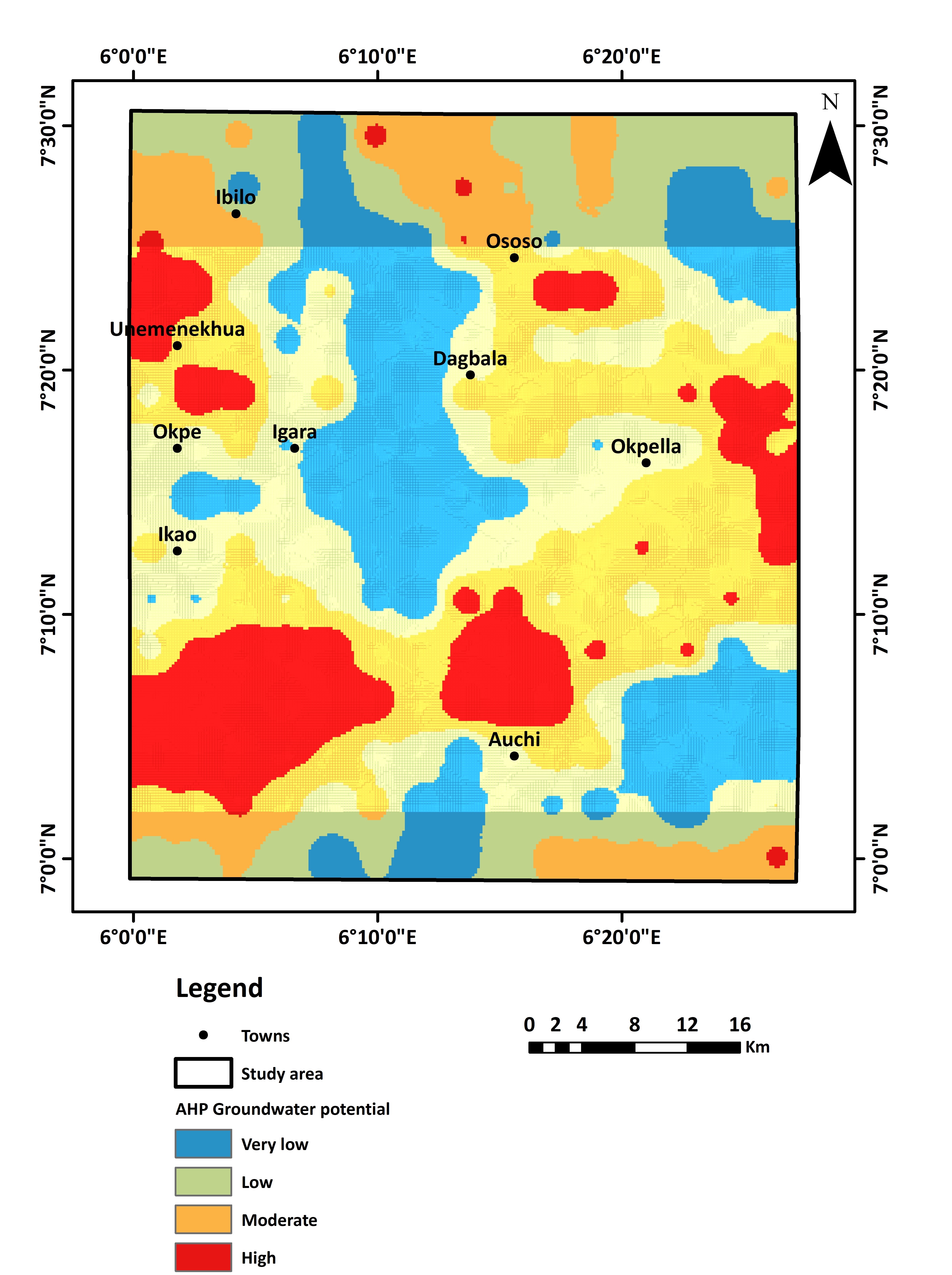
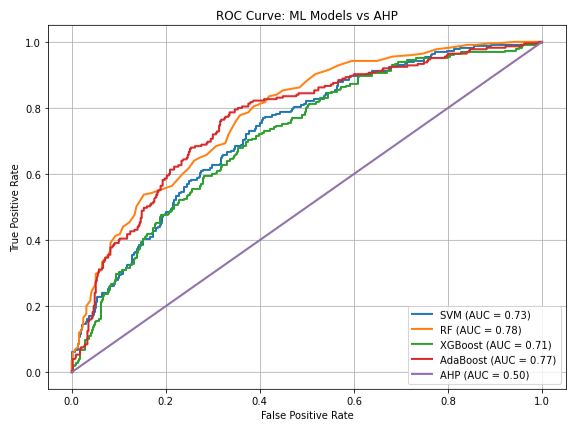
Humanity’s usage of water cannot be halted, as water is a necessary resource for existence and is highly valued in a wide variety of quotidian usages and initiatives. This study aimed to predict and define groundwater potential (GWP) zones in the Edo North region of Nigeria. This is achieved by combining machine learning (ML) models, such as random forest (RF), support vector machine (SVM), adaptive boosting (AdaBoost), and eXtreme gradient boost (XGB), with analytical hierarchy process (AHP)—multi-criteria decision analysis (MCDA). Multiple indices, including anthropological (normalized difference vegetation index), hydrogeological (geology and lineament density), hydrological (rainfall distribution and proximity to surface water bodies), and topographical factors (slope, aspect, drainage density, and topographic wetness index), were utilized as groundwater-influencing parameters. Prognostication competencies of these factors were established through the application of multicollinearity (MC) evaluation. The AHP approach was used to weight and scale these influencing variables and determine their impact on groundwater prospects. Given the constrained amount of data available, ‘CreateFishnet_management’ requires training the ML models with 100% borehole data. Every model’s reliability was quantified using the area under the receiver-operating characteristic (AU-ROC) curve. The four (4) machine learning algorithms and AHP model divided the GWP zone into four distinct groups: high, moderate, low, and very low. The RF, AdaBoost, SVM, XGB, and AHP models show that the beneficial GWP zones encompass 41.59%, 36.42%, 45.93%, 25.30%, and 14.03% of the research region, respectively. The model dependability using measured AU-ROC curve metrics indicates that the RF model has the greatest rate of success (78.00%), preceding the AdaBoost (77.00%), SVM (73.00%), XGB (71.00%), and AHP (50.00%) models. This multi-approach promotes long-term groundwater governance in the study area
Methodology
Results
Future research direction
We trained our ML models using full training datasets and predicted their abilities using full pack of unseen datasets. Future research could employ cross validation to a single datasets for training and testing to ensure and check models generalizability. Future works could test classified as well as continous values of target variable (i.e. borehole yield) to select the best approach for the ML modelling.